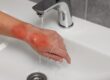
Clammy skin is skin that feels cool and damp at the same time, often with a pale or grayish look. It happens when the body starts sweating while blood is being pulled away from the skin, which is part of the body’s stress response. Sometimes the trigger is harmless, like a wave of anxiety or standing up too fast on a hot day. Sometimes it is one of the first visible signs that the body is not getting enough blood or oxygen. The difference usually shows up in what comes with it.
Clammy Skin Is a Signal, Not a Diagnosis
Clammy skin on its own does not tell a doctor what is wrong. It tells them the nervous system has switched into fight-or-flight mode. That can be set off by fear or pain, but it is also how the body reacts to a heart attack, heavy bleeding, a severe infection, or a dangerous drop in blood sugar. That is why emergency physicians treat new, unexplained clammy skin as something to explain rather than something to wait out.
Common Causes of Cold, Clammy Skin
According to the U.S. National Library of Medicine, clammy skin can come from:
- An anxiety or panic attack
- A heart attack
- Heat exhaustion
- Internal bleeding
- Low blood oxygen levels
- A reaction to a medicine
- Sepsis, a body-wide response to infection
- A severe allergic reaction (anaphylaxis)
- Severe pain
- Shock, where blood pressure drops too low to supply the organs
Low blood sugar is another frequent cause, especially in people with diabetes who take insulin or other glucose-lowering medicines. It typically brings sweating, shakiness, a fast heartbeat, and sudden hunger or irritability. If you are worried the cause is shock, our guide to the signs of shock walks through what to watch for.
When Clammy Skin Means Call 911
Clammy skin needs emergency care right away when it comes with any of these:
- Chest, arm, jaw, back, or upper abdominal pain or pressure
- Shortness of breath or trouble breathing
- Confusion, unusual sleepiness, or a weak or racing pulse
- Fainting or nearly fainting
- Vomiting blood, or black, tarry, or bloody stool
- Swelling of the face, lips, or throat, hives, or wheezing after a sting, food, or medicine
- A fever or chills along with feeling very unwell, which can point to sepsis
- Any possibility of an overdose or drug reaction
If the symptoms come on suddenly or someone is getting worse, call 911 rather than driving. Paramedics can start treatment on the way.
Clammy Skin With Chest Pain or Shortness of Breath
A cold sweat that arrives with chest discomfort is one of the classic warning signs of a heart attack, and women in particular may notice sweating, nausea, or unusual fatigue before they notice pain. Clammy skin with sudden shortness of breath can also signal a blood clot in the lungs. Neither situation should be watched at home. Our pages on chest pain and shortness of breath explain the patterns that need immediate care.
Clammy Skin With No Fever
Many people search for “clammy skin, no fever” because they expect an infection and don’t find one. A normal temperature does not rule out an emergency. Heart problems, bleeding, low blood sugar, and dehydration can all cause clammy skin without any fever at all. On the other hand, clammy skin that follows a panic attack and settles within minutes once breathing slows is usually not dangerous. The deciding factor is whether it passes quickly or keeps coming back with other symptoms.
What to Do Right Now
- Sit or lie down so you don’t fall if you feel faint.
- If you have diabetes, check your blood sugar and treat a low reading with fast-acting sugar.
- If you are overheated, move somewhere cool and sip water. See dehydration for the warning signs.
- Loosen tight clothing and note when the symptoms started.
- If anything on the 911 list above is present, or the clamminess does not ease quickly, get emergency care.
What Happens When You Come to the ER
The ER team will check your blood pressure, heart rate, oxygen level, and blood sugar within minutes of arrival. An EKG looks at the heart’s rhythm, and blood work through our on-site lab can check for infection, bleeding, and heart muscle injury. If needed, imaging such as a chest X-ray or CT scan can be done in the same visit, so you leave with an answer instead of more questions.
Get Checked at Sugar Land ER
Clammy skin that doesn’t go away quickly, or comes with any of the warning signs above, deserves an evaluation now. Sugar Land ER is open 24 hours a day, every day, with a strict no-wait policy, board-certified emergency physicians, an on-site COLA-certified laboratory, and on-site imaging including X-ray, ultrasound, and CT. Check in online or call (281) 697-5250. If symptoms are sudden or severe, call 911 instead of driving.