Thanksgiving is one of the busiest cooking days of the year, and busy kitchens mean burns from hot pans, oil, and steam, plus cuts from carving knives and slipped vegetable peelers. Most of these injuries can be handled at home. Some need stitches or emergency care. Here is how to tell which is which, and what to do in the first few minutes.
Get Emergency Care Now If
- A burn is about the size of your palm or larger, looks deep, white, or charred, or you are not sure how serious it is
- A burn is on the face, hands, feet, or groin, or was caused by chemicals or electricity
- Someone breathed in smoke or shows signs of shock, such as pale, clammy skin, weakness, or confusion
- A cut keeps bleeding after 10 minutes of firm, direct pressure
- You cannot feel or move the injured area normally
These thresholds come from the U.S. National Library of Medicine’s first aid guidance on burns and cuts. For severe bleeding, smoke inhalation, or anyone who is unresponsive, call 911.
First Aid for a Minor Burn
- Run cool water over the burn, or soak it, for at least 5 to 30 minutes. Use cool water, not ice water.
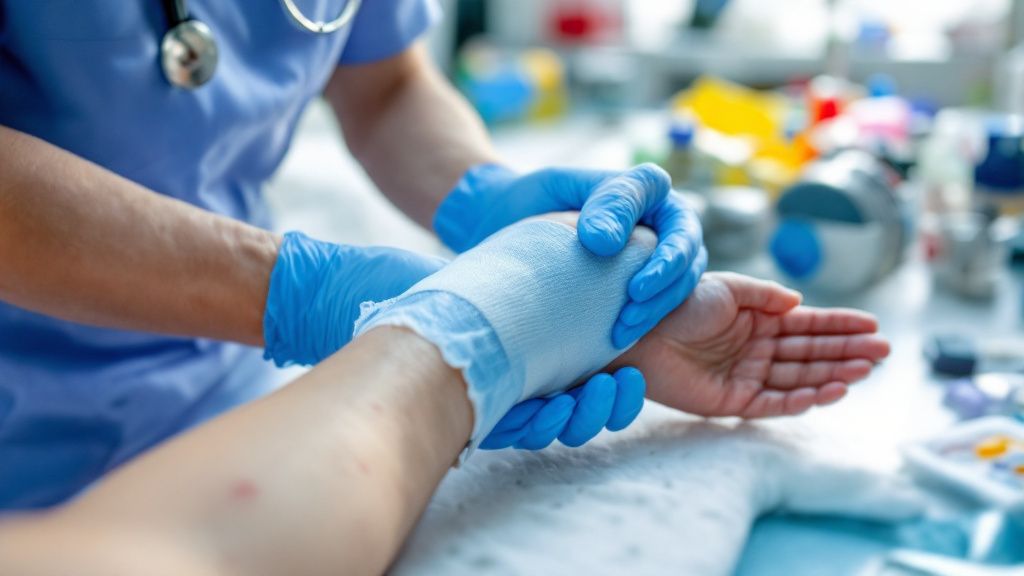
- Once it is cooled, cover it loosely with a dry, sterile bandage and protect it from rubbing.
- Over-the-counter pain relievers such as ibuprofen or acetaminophen can help. Do not give aspirin to children or teens.
What Not to Do With a Burn
- Do not put butter, oil, ice, or home remedies on it.
- Do not pop blisters or pull off clothing that is stuck to the skin.
- Do not put a large, severe burn in cold water. That can cause shock. Cover it and get emergency care.
More detail is in our guide to emergency care for burns.
Grease and Turkey Fryer Fires
Never throw water on a grease fire. Turn off the heat if you can do it safely and smother a small pan fire with a lid, and call 911 if the fire spreads. The National Fire Protection Association publishes Thanksgiving cooking-safety tips worth reading before the big day. If hot oil splashes onto skin, cool the burn with water and treat it like any other burn, and come in if it is large or on the hands or face.
First Aid for a Kitchen Cut
- Wash your hands, then rinse the cut with mild soap and water.
- Press firmly on the cut with a clean cloth to stop the bleeding.
- Once it stops, cover it with an antibacterial ointment and a non-stick bandage.
Do You Need Stitches?
According to the National Library of Medicine, a cut may need stitches if it is more than a quarter inch deep, is on the face, or reaches the bone. Large or gaping cuts should be seen even if the bleeding has stopped. If you think a cut needs stitches, have it looked at the same day rather than waiting until the next morning. Our guide Do I need stitches? walks through it in more detail.
Is Your Tetanus Shot Up to Date?
The National Library of Medicine advises contacting a health care provider after a cut if you have not had a tetanus shot in the last 10 years. Read more about when you need a tetanus shot.
Holiday Emergency Care in Sugar Land
Sugar Land ER is open on Thanksgiving Day and every other holiday, 24 hours a day, with a strict no-wait policy and board-certified emergency physicians who can clean and close wounds and treat burns. See our page on holiday health emergencies for more seasonal tips. Check in online or call (281) 697-5250. If symptoms are sudden or severe, call 911 instead of driving.