Tetanus is a serious bacterial infection caused by Clostridium tetani, a germ that lives in soil, dust, manure, and on rusty surfaces. The bacteria can enter the body through any break in the skin and release a toxin that affects the nerves and muscles. Even though tetanus is rare in the United States thanks to routine vaccinations, certain wounds still carry enough risk to warrant a tetanus booster or a closer look from a doctor.
How Tetanus Gets Into Your System
Tetanus bacteria thrive in places without much oxygen, which is why deep puncture wounds are often the biggest concern. But you do not need a major injury to be at risk. A scratch from a rusty nail, a splinter pushed deep into the skin, or even an animal bite can introduce the bacteria. The germ does not show up under the skin right away, so a wound that looks small at first can still be a problem down the road.
Which Wounds Carry the Most Risk
Some injuries are more likely to lead to tetanus than others. According to the Centers for Disease Control and Prevention (CDC), high-risk wounds include:
- Puncture wounds from nails, splinters, or sharp objects
- Cuts contaminated with dirt, saliva, or feces
- Burns, frostbite, or crush injuries
- Animal or human bites
Clean, shallow scratches that bleed freely tend to be lower risk, but they are not always risk-free. Many of these on-the-job injuries happen with tools and machinery, so if the object that caused the wound was dirty or you are not sure when your last tetanus shot was, it is worth getting checked.
Symptoms That Should Send You to the ER
Tetanus symptoms usually appear within 3-21 days after exposure. Early warning signs include jaw stiffness (sometimes called “lockjaw”), trouble swallowing, neck stiffness, and painful muscle spasms. As the infection progresses, those spasms can become severe enough to interfere with breathing. Tetanus is a medical emergency that requires hospital-level care, so any of these symptoms after a wound need fast attention.
When You Need a Tetanus Booster
Most adults received the tetanus vaccine as children and need a booster every ten years to stay protected. The CDC recommends a tetanus booster within 48 hours of a dirty or high-risk wound if more than five years have passed since your last shot. If you cannot remember when you were last vaccinated, treat it as overdue and get checked.
A booster is not the same as treatment for active tetanus. The vaccine helps your body build up the defenses it needs before the infection takes hold. The sooner you get it after a high-risk wound, the better it works.
Caring for the Wound at Home
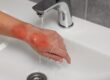
While you decide whether to seek care, basic wound care can lower the chance of any infection. Wash the wound right away with soap and clean water for several minutes. Remove any dirt or debris you can see, then apply a clean bandage. Watch for swelling, warmth, redness, or pus over the next few days. Home care is not a substitute for a tetanus shot if your wound is high-risk or your vaccination is out of date, and a deeper injury involving bone or joint damage always needs professional evaluation.
Getting Checked at Sugar Land ER
If you have a deep puncture wound, a dirty cut, or any injury where you are unsure about your tetanus status, Sugar Land ER is open 24/7 with no wait times. Our board-certified physicians can assess your wound, provide a tetanus booster if needed, and use our on-site lab and imaging to check for any deeper damage. Book an appointment online or call (281) 697-5250 to be seen right away.